Most people looking for a local business reach for Google first — and a huge share of those searches have local intent. Yet plenty of small and medium businesses still don't show up when nearby customers go looking. That gap is exactly what local SEO closes: it makes sure that when someone in your area searches for what you do, your business is the one they find.
- Local SEO gets your business found by nearby customers in Google Search and Maps.
- Your Google Business Profile, local keywords, reviews and consistent business details (NAP) do most of the heavy lifting.
- Citations and genuine reviews build the trust signals Google uses to rank local results.
- Track local rankings, traffic and enquiries to see what's working — and keep refining.
What is local SEO?
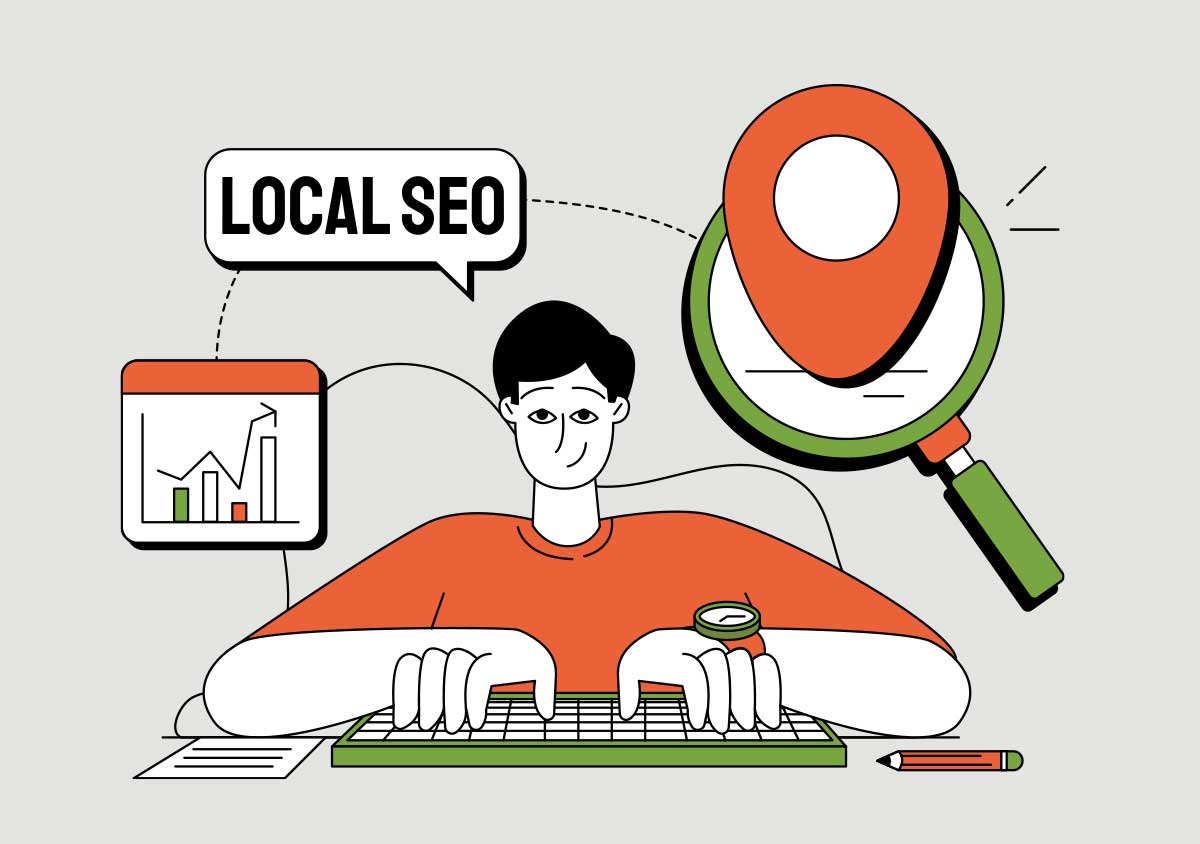
Local SEO is the work that optimises your online presence for location-based searches — the "near me", "in [suburb]" and on-the-go queries people use when they're ready to act. Get it right and your business turns up in Google's local pack (the map and three listings near the top), in Google Maps, and in the organic results for your area.
It's not a passing trend. With so many searches carrying local intent — and most of those leading to a call, visit or purchase soon after — local SEO is one of the most direct ways to connect your business with customers right in your neighbourhood.
Why local SEO matters for small businesses
The biggest win is visibility: appearing where nearby customers are already looking means more foot traffic, more calls and more enquiries. But it goes further than rankings. Local SEO keeps your business details accurate and consistent everywhere they appear, which builds the trust and credibility that turns a search into a customer.
For a smaller business competing against bigger names, that's a genuine equaliser. You don't need the biggest budget to win the map pack in your suburb — you need the right signals, done properly.
Key local SEO strategies
Local SEO is a handful of moving parts working together. These are the ones that matter most.
1. Optimise your Google Business Profile
Your Google Business Profile is the single most important local asset you have. Claim it, then fill it out completely — accurate details, categories, services, hours, photos and regular posts. Keep it active and respond to reviews, and you give Google every reason to show you in the local pack and Maps.
Businesses with a complete, well-optimised Google Business Profile consistently earn more calls, direction requests and store visits than those with thin or unclaimed profiles.
2. Local keyword research
Find the phrases your local customers actually use, including "near me" and suburb-specific terms, with tools like Google Keyword Planner and Ahrefs. Understand the intent behind each search, then weave those keywords naturally into your pages so you're relevant for the queries that bring ready-to-buy locals. Many of these are long-tail keywords — specific phrases that convert well.
3. NAP consistency
NAP stands for Name, Address and Phone number. When those details are identical everywhere they appear — your site, your Google Business Profile, directories and social profiles — Google trusts your information and ranks you more confidently. Inconsistent details do the opposite, confusing both customers and search engines.
4. Online reviews and ratings
Reviews are powerful: they sway customers and they're a recognised local ranking signal. Encourage happy customers to leave a review, respond promptly and professionally to all feedback (good and bad), and keep an eye on the main review sites. A strong, well-managed review profile lifts both your rankings and your reputation.
5. Local citations
A citation is any online mention of your business name, address and phone number — in directories, on review sites, in local listings. Accurate, consistent citations across reputable sites confirm to Google that your business is legitimate and where you say it is, which supports higher local rankings and sends ready customers your way.
DIY local SEO tips to start with
You can make real progress yourself before bringing in help. A few high-impact starting points:
- Claim and verify your listings on Google Business Profile and other key platforms, so you control your information.
- Keep your NAP consistent everywhere it appears online.
- Add location-specific and "near me" terms to your key pages, naturally.
- Use local images with descriptive alt text, and make sure your site is fast and mobile-friendly — most local searches happen on a phone.
- Stay active on social media with local hashtags and genuine community engagement.
Measuring local SEO success
You can't improve what you don't track. Keep an eye on the metrics that reflect real local performance:
- Local search rankings for your target keywords and area.
- Local website traffic and where it's coming from.
- Google Business Profile actions — calls, direction requests and clicks.
- Reviews — volume, rating and sentiment over time.
- Enquiries and conversions, the numbers that actually affect your bottom line.
Choosing a local SEO partner
If you'd rather hand it over, choose carefully. Look for an agency with a solid track record in local SEO, real client results and references, and complete transparency in how they work and report. Ask how long they've been doing it, how they'll communicate progress, and how they tailor their approach to your industry. A good partner explains what they're doing and why — never hides it behind jargon. See our SEO plans →
And increasingly, local SEO overlaps with AI search: the same accurate details, structured information and genuine reviews that win the map pack also help AI tools like Google AI Overviews understand and recommend your business. A modern partner builds for both. More on AI search →